February 23rd, 2012

ADHD Tips and More: KITV Live Segment

February 15, 2012 by  

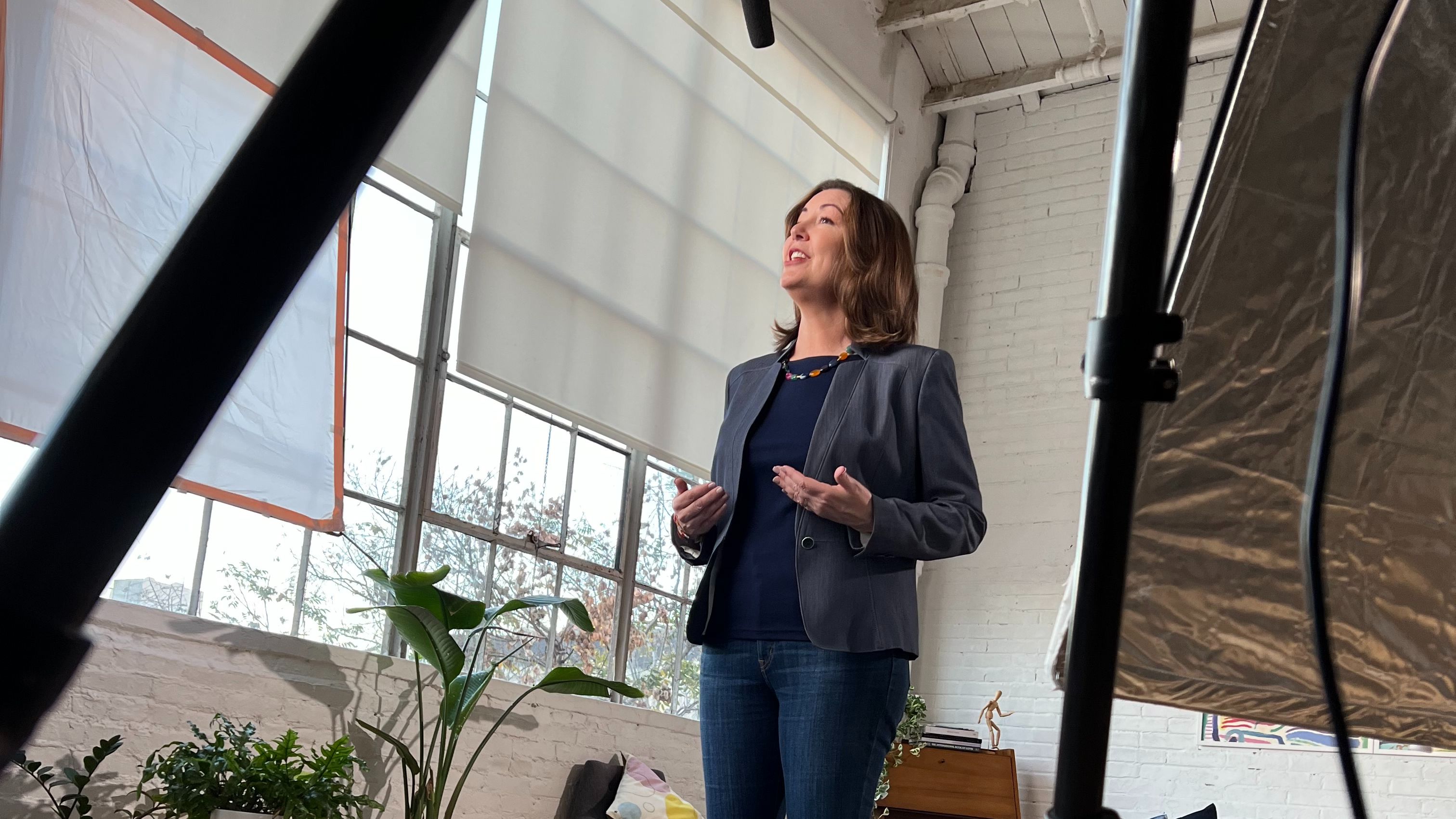
Thanks to Jill Kuramoto and the great team at KITV for having me on again yesterday. This time, we talked about how to know whether your child has ADHD -- or is just an active kid. We also talked about how to slow down and enjoy this wild adventure of parenting a bit more. Check it out! Aloha, Dr. Heather The... Read More >>

Considering Kindergarten?

February 4, 2012 by  

I'm digging deeper into the decision of whether to start Kindergarten this fall -- or not. Look out for 4 in-depth posts on the subject. Check out my video over here --> for a sneak-peek! Next, check out my first post in the series, where I show you how I make tough parenting decisions when there isn't an easy answer. You can apply my method to your kindergarten decision, or any other tricky parenting dilemma. Here's the second post, for parents of shy kiddos. Even they can have a great start to their school careers. There will be 4 total entries this month, and I'll post as they're ready for you -- so come back and check for each in the series. Aloha, Dr. Heather The... Read More >>

Dr. Heather’s First Live TV Appearance

January 18, 2012 by  

Despite awakening at 4 am with bloodshot eyes from an allergy attack (perfect for HDTV, right?) -- I was psyched to head down to KITV yesterday morning to talk story with the gang about parenting. So mahalo to Jill Kuramoto for inviting me, and a big aloha to Mahealani Richardson, Moanike'ala Nabarro, and Yasmin Dar for making me feel so at home in the studio. Looking forward to seeing you all again next month! Here's the link: Dr. Heather on KITV -- January 17, 2012 Aloha, Dr. Heather The... Read More >>

Work/Life Balance with Young Children

January 6, 2012 by  

It's a fact of life: Whether you work at home or out of the home, part time or full time, life with young kids is always a juggling act. Achieving balance is really only aspirational -- never truly possible. But living in Hawaii has shown me that surfing is an apt metaphor for what we all aspire to -- a sense of freedom and control in the face of powerful life forces. I'm especially proud of this post I wrote for my fab partners over at The Learning Care Group: Check it out, and let me know what YOUR tips are for staying sane when trying to stay on top of it all. Aloha,   Dr. Heather The... Read More >>

“Crying It Out”: Acceptable — or Abuse?

December 14, 2011 by  

One of the most primitive, innate reactions any mom has is to comfort her crying child. But as we've talked about here before, many babies can tolerate -- and thrive -- with some crying, when their parents thoughtfully decide why and when that might be necessary. That's why articles like this leave me mystified -- especially when they come from one of my shrink colleagues.  Her bottom line is that CIO is dangerous. She trots out all the old arguments, hailing the Dr. Sears "science" behind her claims, and providing one of the most common misinterpretations of infant research. She makes the mistake that clinical research findings about abused and maltreated babies -- babies who were pervasively denied their needs over the long-term -- should be applied to NORMAL babies in NORMAL families. The fact is, there is no evidence whatsoever that occasional CIO in typically developing babies causes any damage. PERIOD. More importantly, there IS evidence that severely sleep-deprived mothers are at much higher risk of developing an already common --and dangerous -- condition: postpartum depression. And PPD certainly CAN lead to long-term damage to both baby -- and the entire family. CIO is a method that, when implemented thoughtfully, can often lead to improved sleep (and health and happiness) for everyone. Firebombs like those thrown in the Psychology Today article only make the burden heavier on moms. What a shame. Aloha as always, Dr. Heather The BabyShrink PS: Wow, what a response! After commenting here, please also see the comments developing over at the Fussy Baby... Read More >>

My Third Kid Hates Kindergarten Too!

October 14, 2011 by  

Remember this guy? This sweet, cuddly, awesome 4-year-old? Well, now he's a big 5-year-old, and he's been in kindergarten for about 7 weeks. He started out with an enthusiastic bang, but now we're dealing with tears and major foot-dragging when it comes to going to school.   I know, I know -- I shouldn't be surprised. "Help! My Kindergartener Hates School All of a Sudden!" is one of my most popular posts -- and a very common parenting dilemma. Fact is, young children are totally different animals than "school aged" kids -- and by that, I mean 8-year-olds and up. Little kids are still developmentally more like preschoolers. And that means they're likely to change their minds about -- well, just about everything. So, starting off kindergarten all excited -- then losing steam after a few weeks -- isn't a surprise. Check out my post (and the growing comment section, with my additional suggestions) for coping ideas. And hang in there, if you've got a balking kindergartener. Usually, if you can support your child through this tricky developmental stage, the protests wind down by Thanksgiving. In the meantime, Happy Halloween! Aloha, Dr. Heather The... Read More >>

What I’m Reading: Your One-Year-Old

September 25, 2011 by  

I'm reading every parenting book ever written on an obsessive quest to find helpful nuggets and insights to include in my first BabyShrink book. Those of you who know me know that I think much of what's available these days is garbage. Junk. Not practical. Not worth the money. But once in awhile, I find a gem. Most of these gems are "oldies but goodies" -- dated, in some ways, but true and superb in the way that classics always are. Louise Bates Ames, PhD, wrote a whole series of parenting books over 30 years ago, with a new book for each year of life. I've read most of them, but so far, this is my favorite. It might have to do with the fact that I have a particularly spicy 1-year-old in the house (thankfully NAPPING, at the moment -- something I don't take for granted with her). Ames doesn't take 12-24 months for granted, like so many other parenting writers. Ames contends that, in fact, this is one of the trickiest ages to parent -- and I fully agree. In this book, she explains why -- and gives the simplest, sweetest, most effective suggestions I've ever read on how to contend with your newbie toddler. Enjoy. Aloha, Dr. Heather The... Read More >>

August 21, 2011 by  

I recently wrote about amazing findings showing that stress in early life actually causes DNA damage. Researchers at Duke have taken the next step, finding the exact receptor that is disabled by chronic stress, resulting in genetic damage. This adds strength to what I believe about making sure our kids are brought up in Good Enough environments: We already know that a LITTLE bit of stress is a good thing. It toughens us up and helps us learn new lessons. But too much stress, over a long period of time, is a bad thing.  That's why children brought up in chronically abusive or deprived environments fare so poorly. And these folks at Duke have found a glimpse into exactly how that works, on a molecular level. Cool stuff. Their research is connected to how our cells are damaged in a variety of ways -- including by the aging process -- and I know I'm not the only 40-something parent out there hoping science will help us push the envelope of healthy life way out into the future, giving us more time with our children, grandchildren, and great-grandchildren. Do you think science will offer us a cure for stress and aging -- in our lifetimes? I hope so!   Aloha, Dr. Heather The... Read More >>

“Cutoff” birthdays and kindergarten readiness: How to know

August 5, 2011 by  

Dear Dr. Heather, My daughter turns 5 right before the “cutoff” age for kindergarten – so she’ll be able to attend, but I’m not sure she’s ready. Should we have her start this fall, or wait another year? Sam in Philly Dear Sam, All over the country, parents are going through the same dilemma. For many, like those with “early born” kids, the decision is easy. For others who have “late-borns” (like yours, and my fourth child -- an October baby) -- or for those who’s kids are a tad behind, developmentally -- it’s a tough call. There’s no “magic” test for readiness, and no single developmental accomplishment that means your child is 100% ready. Here is my basic Kindergarten Readiness Checklist of the areas I consider essential to success in the fall:
  • Enthusiasm about learning
  • The ability to speak understandably
  • The ability to listen and follow instructions
  • The desire to be independent
  • Playing well with others (most of the time)
  • Willingness to separate from parents
  • Basic letter and number recognition
Here are 3 steps to help you make your decision:
  1. Have a basic “Kindergarten Readiness” test administered at your intended school. There are many such tests available.
  2. Discuss the results -- plus the above readiness checklist -- with the important adults in your child’s life, including prospective teachers. Your pediatrician can help too.
  3. Revisit your decision over the summer. A child who’s not ready in the spring might quickly become ready in the summer.
Consider YOUR child’s readiness, and make the decision independent of the “trends” in your neighborhood. Ignore the tendency to “go along with the Joneses” – whether to “hold back” or “push ahead”. Whether your kiddo starts kindergarten this year or next is irrelevant compared to the fantastic developments that he’s gone through in the past 4 or 5 years. Remember that tiny newborn bundle they handed you that day... Read More >>

BabyGeek: Infant Sleep “Rules” Don’t Work

July 21, 2011 by  

I've been sleep deprived since April 2001, when our oldest was born. Since then, I've tried every "trick" in the parenting book. And nothing seems effective at "making" my kids sleep better. They've all evolved into being better sleepers over time. That's why I'm so interested in the line of research discussed in this study. Penn State scientists found -- despite common parenting advice -- that parents' EMOTIONAL response to their children at bedtime was much more successful than any specific behavioral "trick" in getting children to sleep. As a shrink, I tell parents that babies absorb their emotional messages. Parents are often surprised when I tell them that even the youngest babies sense their emotions -- but it's true. In the shrinking world, we've been struggling internally for years over the predominant theoretical orientation -- Behaviorism, and its spin-offs -- and the power it holds over the way we do our work. Those of us who work with very young children understand that simple behavioral and operant conditioning simply doesn't apply with the little ones. That's why "Ferberizing" and related approaches are often ineffective.  FIRST, babies need to feel emotionally (and physically) safe. Other learning can proceed from there. But sleep is an inherently scary proposition, and often triggers resistance and regression in children. It's a weird and scary thing to transition into a sleep state. So the fundamental message of this research at Penn State is both obvious to me -- and very reassuring -- as an Early Childhood specialist. I'm eager to see what else they discover in this line of inquiry, and I'll be sure to share it with you. Here's a link to some of my "getting to sleep" advice. What's yours?   Aloha, Dr. Heather The... Read More >>

BabyGeek: Early Trauma Damages Babies’ DNA

June 1, 2011 by  

It took me over a year, but I finally started to understand the fabulousness that is Twitter. And no, it's not because I want you to know what I had for lunch (although I had some amazing Indian food today). It's because I meet a lot of interesting people on Twitter, and am directed to some fascinating info. The geek in me LOVES the immediate access I get via Twitter to all sorts of interesting infant research. But I do realize that most of you don't share my fascination with primary-source research -- you just want to get through your parenting day with your wits reasonably intact. And that's why I'm here -- to help sort through all the clutter, and show you what I think is TRULY interesting, relevant, and important to parents. So I'm starting a new category on BabyShrink -- BabyGeek. It will give me the opportunity to use more than 140 characters to help interpret the most current findings from the world of infant and child development, and the mind-boggling findings from brain and neuroscience. I hope I can make it all interesting for you, too. And now, for my first moment of BabyGeek: Early Trauma Damages Babies' DNA This heartbreaking study confirms what shrinks like me have long suspected: The mind and body are closely linked, even from the first months of life. This study shows how deeply linked: Traumatic emotional experiences such as institutional care actually damage the child's DNA. Scientists have been investigating how the length of the telomere (the cap that protects the ends of the DNA strand) is related to health and longevity -- and the orphans in the study had significantly shorter telomeres. Here's the study report. In college, we used to argue about "nature vs. nurture". Now, we know it's nature AND... Read More >>

When It’s NOT Bullying

May 27, 2011 by  

As a psychologist and Parent Coach, I’ve noticed that we’re constantly bombarded with negative messages about our children. It seems that every new headline gives us another reason to worry about our kids. But often, our kids are doing great – it’s we as parents who need a little attitude adjustment! That’s why I’m happy to be a part of the Positive Parenting Network’s Spring Fling – to help get out the message about positive parenting approaches. Because sometimes, our fears get the best of us. It reminds me of a recent situation when a parent stopped me, worried about a 6-year-old “bully”. The child in question — in my observation — wasn’t a bully, but rather a fairly typical little girl, testing out her advanced verbal (and not-so-advanced social) skills. Did she hurt her friends’ feelings? Probably. And did her friends reciprocate by saying something mean right back? They sure did. The parent was very upset about the impact of this “bully” in the classroom — and wanted to know what could be done to stop her. But was this truly “bullying?” No, it wasn’t. And I worry about the little girl being labeled “bully”, because the word has such negative connotations. So, what IS the definition of bullying? Bullying is being intentionally, repeatedly cruel and belittling to smaller or otherwise less powerful kids. 6-year-old girls telling each other “you can’t come to my birthday party”, or “you don’t get to talk!” don’t qualify as bullying. And defining normal social “sparring” as “bullying” does everyone a disservice. Bullying has been getting some much-deserved attention in the media, and as a shrink I can attest to the terrible damage that TRUE bullying does to kids. But as an Early Childhood specialist, I know that little kids — especially... Read More >>

Sleep, Toddlers, and Mental Health (Hopefully, Not Mutually Exclusive)

May 18, 2011 by  

I'm blogging for mental health today -- but not in way you might expect. Mental health isn't just some esoteric list of psychiatric diagnoses. It starts with simple -- but critically important -- things. These include the support of loved ones, meaningful work and relationships, and enough resources to have a little fun. On the top of that list, though, is getting adequate SLEEP. Having young children is the quickest way to ruin in the sleep department (and I speak from vast experience). Here's a quick tip on tackling the sleep issue for toddlers (and by extension, YOU): Dear Dr. Heather, My 2 year old started climbing out of the crib a few weeks ago. We transitioned her to a toddler bed and she continues to wake up around 2 am to play! And doesn't go back to bed until after 4 am. I've tried cutting her nap, which resulted in a miserable little girl in the afternoon and still waking in the middle night. I know allow her to nap for an hour and she's still up and playing at 2 am. Her bed time is around 8:30pm every night. Help! Holly Dear Holly, It's very common for toddlers to start waking in the middle of the night after transitioning to a bed. That's why I always recommend WAITING to give up the crib as long as possible. But don't worry: Your late-night party-girl will remember how to sleep through the night -- with your help. During the day, remind her that it's her job to sleep when it's dark outside -- plus, Mommy and Daddy get grouchy when she wakes them up at night. Everyone needs their sleep to be healthy. Adopt the "broken record" approach -- she needs to stay in bed. Lights out. Time to... Read More >>

Exciting Work — BabyShrink’s Updates

April 20, 2011 by  

Whew, I've been busy! Make sure to check me out all month on ParentsConnect.com, the Nick Jr parenting blog. You know, "We're not perfect, we're parents." We had an awesome connection over my "Good Enough" parenting posts, and it's exciting to interact with so many of their families. It was all made possible by the fab folks at Learning Care Group -- you probably know them by their 1,000+ schools in the US, including ChildTime, Tutor Time, La Petite Academy, Montessori Unlimited, and The Children's Courtyard. I've been blogging for them on the LCG Blog Learning Together too. They have exciting plans for showing off their expertise with kids -- and they want my help. I'm honored and thrilled -- and I'll keep you posted as things develop. I recently spent a bunch of time with the LCG folks on the mainland, creating a series of parenting videos. I'll post them here soon, and they'll also be on the LCG website. It was a wild ride, creating top-notch, scientifically-based, but accessible info for parents in the most professional, high-quality, high-tech media environment. In the meantime, I'm expanding my Parent Coaching practice, and juggling not one, not two, but THREE kids' basketball team schedules. What the heck -- it's all good experience for my LCG writing -- they want to focus on work/life balance in the future, and my house is the perfect crucible to test out some new approaches. Thanks for your continued support, and I hope you'll stick around to check out some of my parenting tips! Aloha, Dr. Heather The... Read More >>

Ready for Kindergarten?

March 30, 2011 by  

I started BabyShrink when this cute guy had just turned 2. And now look at him -- he's the "big boy" in his pre-kindergarten class.  It was easy to decide that he'll start this fall -- he's a January-born guy, so he's already 5. And as the third child of four he's been waiting to be like "the big kids" his whole life. His baby sister might be different, though -- as October-born, we may eventually decide to hold her over for the next year. We'll see. So, how do you know if kindergarten is in the cards for your 4 or 5-year old? Despite the official-sounding "readiness tests" used, there's really no sure-fire way to know. But ask yourself if your "baby" has these skills as we move through kindergarten application season:
  • The ability to speak and be understood
  • Enthusiasm about learning
  • The ability to listen and follow directions
  • The desire to be independent, and a willingness to separate from parents
  • Playing cooperatively (much of the time). Can he handle sharing, playing, and taking turns?
  • Basic letter and number recognition
Having these skills makes it far more likely that he'll be ready in the fall. And if he's not -- that's OK too. He'll get there! Aloha, Dr. Heather The... Read More >>

Sudden Fears in 12 to 15-Month-Old Babies

March 6, 2011 by  

Let me tell you about a cool conversation I had the other day with my Infant Research/Rock Star Guru, Professor Joseph Campos (at UC Berkeley).  He helped me understand more about a funky phenomenon I've written about here before: The Weird, Wacky, Sudden Fears of the 12 -- 15-month old. You know: Crazy fears of the bath, bizarre fears of mustached men, and other kooky things like Fear of Flowers (I kid you not -- I've heard 'em all -- many from my own kids). As I've said before, these sudden fears are NORMAL -- but now I understand a little more about WHY. It's a combination of what I've already written about here -- adjusting to the exciting (and scary) new world of mobility, as well as an inborn fear of sudden, unexpected unfamiliarity. Babies this age tend to freak when they see something that looks out of place -- a man with facial hair (if they're used to clean-shaven guys), dogs that suddenly bark loudly, or things that move in unexpected, uncontrollable directions (like flowers in the breeze). Turns out that adult chimpanzees also have similar fears. Interestingly, our toddlers grow out of these fears -- chimps do not. Rapidly developing baby brains are starting to compare "familiar" to "unfamiliar". It's likely protective -- which is especially needed now that the baby is toddling around, away from parents. Sudden baby fears are also related to a similar parent frustration at this age: Resistance to car seats, strollers, changing tables, high chairs, or any similar baby-jail. Why? Because they remove the element of control from your little one -- and CONTROL is what helps to decrease baby's fears. So here's how to cope with those intense and sometimes inexplicable fears in your young toddler: Give her as much control... Read More >>

1st and 2nd Graders — When It’s NOT Bullying

February 20, 2011 by  

Recently, a parent stopped me, worried about a 6-year-old "bully". The child in question -- in my opinion -- wasn't a bully, but rather a fairly typical little girl, testing out her pretty advanced verbal skills in more complex ways. Did she hurt her friends' feelings? Probably. And did the friend reciprocate by saying something mean right back? She sure did. The parent was very upset about the impact of this "bully" in the classroom -- and wanted to know what could be done to stop her. But was this truly "bullying?" No, it wasn't. And I worry about the little girl being labeled "bully", because the word has such negative connotations. So, what IS the definition of bullying? There are many definitions, but all involve the bully being intentionally, repeatedly cruel and belittling to smaller or otherwise less powerful kids. 6-year-old girls telling each other "you can't come to my birthday party", or saying "you don't get to talk!" don't qualify as bullying. And defining normal social "sparring" as "bullying" does everyone a disservice. Bullying has been getting some much-deserved attention in the media, and as a shrink I can attest to the terrible damage that TRUE bullying does to kids. But as an Early Childhood specialist, I know that little kids -- especially girls -- "practice" their social skills quite a lot with their classmates, and those skills need quite a bit of refining -- in 1st and 2nd grades. Teachers in those grades know that this is pretty common behavior, and gives the kids the opportunity to do some social "sparring" in a fairly safe situation. Do they need limits, structure, and guidance in the process? You bet. But labeling them "bullies" is a major overreaction. If you have a kid in these grades (as I... Read More >>

Cool New Gigs

February 13, 2011 by  

Cool New Gigs Is it possible that BabyShrink is approaching it's THIRD birthday? This site was launched with much anxiety on my part -- and also, great hopes and dreams. Sort of like having a REAL baby. Come to think of it, there are lots of similarities between writing a parenting column and having a baby -- the staggering amount of work -- 24/7 -- being one of them. So as I was toiling away out here in my island home, pressing the "Publish" button every week and wondering whether anyone would even read my stuff, an interesting thing happened -- people DID start reading, and more importantly -- enjoying their parenting adventures a little more because of it. So it comes with a great sense of satisfaction (and even joy) to announce the next step for me -- adding the title of "Expert", in affiliation with some pretty impressive folks. You've probably heard Dr. Oz talking about his great new health site, ShareCare, powered by some of the most prestigious names in the country. I'm excited to be on ShareCare -- here's my bio -- answering your questions about parenting, child development, and family life. It's a super user-friendly experience, so I hope you'll sign up today, along with the 200,000 others who have already jumped on board to Dr. Oz's Move It And Lose It personalized diet and fitness plan -- and countless others looking for real answers to health questions. I'm also really excited to be featured alongside some awesome names in parenting and family health over at Parents.Com. They have a cool Q and A tool where you can submit questions -- and the panel of experts answers for you. Check me out on the same list with gurus like Dr. Harvey Karp (of " Read More >>

Toddler Teeth-Grinding — How To Stop It

February 6, 2011 by  

Toddler Teeth-Grinding — How To Stop It Another good question from the Parent Coaching files: Toddlers who grind their teeth. Why do they do it, and are we -- as parents -- doing anything to cause it? And more importantly, how can we get it to STOP?! For some, this is a nighttime tendency that seems to be hereditary. For others, it's a passing phase -- and more likely to be heard in the daytime. Teeth-grinding is usually just a really annoying -- but common and normal -- thing for toddlers. Aside from any medical causes you must rule out first -- dehydration, nutritional deficiencies and pinwoms (yech, I know) being among the rare but true culprits -- it's probably not a reason to worry.  It's likely related to all those new choppers growing in -- she's getting used to them. Grinding is a way to feel where they are, make weird new sounds with them, and "sand down" the sharp points that often accompany new teeth. It may also alleviate the pain of teething. PLUS, it's a way to irritate you, if you show it gets under your skin! So watch your reaction -- getting upset about it might be just the fuel she needs to start doing it all the time. The majority of these cases aren't caused by -- or reflective of -- any parenting flaw. You can  think of other ways to occupy her energy, time, and mouth -- like singing, word games, and crunchy snacks. But don't pay too much attention to the grinding itself. My strong recommendation is to IGNORE IT. I know it can be like nails on a chalkboard, but really -- there is no other way. The more you point it out, the more likely she is to increase the grinding. If your toddler... Read More >>

Getting your preschooler to eat fruits and veggies

January 30, 2011 by  

Getting your preschooler to eat fruits and veggies Direct from the Parent Coaching files, an issue that plagues many of us: The Preschooler Who Won't Eat Healthy Foods. Common variants of this plague include The Preschooler Who Only Eats White Foods, The Preschooler Who Only Eats Starches, The Preschooler Who Only Eats Chicken Nuggets, and my niece's current version: The Preschooler Who Only Eats Raisin Toast. (What can I say? Our family always has to be a little different.) Seeing as though we can't force our children to Eat, Sleep, or Poop, we must BACK OFF. Yet, how to encourage healthy eating habits? And how to cope with the obvious complications of No Healthy Food -- constipation, and it's negative impact on potty training? I wish it was as simple as many of our pediatricians say: "Encourage fruits, vegetables, and whole fibers. Have them drink a lot of water." OK -- but HOW?! Most preschoolers will turn up their cute little noses at a plate of healthy food -- or even something that looks just a little DIFFERENT than what they're used to eating. My take on it: This is an opportunity to walk the precariously thin line between ENCOURAGEMENT and PRESSURE. Do we give up trying? No. Do we get frustrated and beg, plead, cajole, or bribe them? Nope. But we DO encourage -- with a parenting trick up our sleeves. So, try this, a daily tactic in our house: It's the One Molecule Rule. We serve meals in courses: Healthy foods first. Each kid gets a serving of either a fruit or vegetable -- kid-friendly -- think carrot strips and ranch dressing, banana "coins", or apples with peanut butter. Each kid's serving must be finished before the rest of the meal becomes available to them. And by "serving size", we start with One Molecule of something different. The other... Read More >>

Next Page »